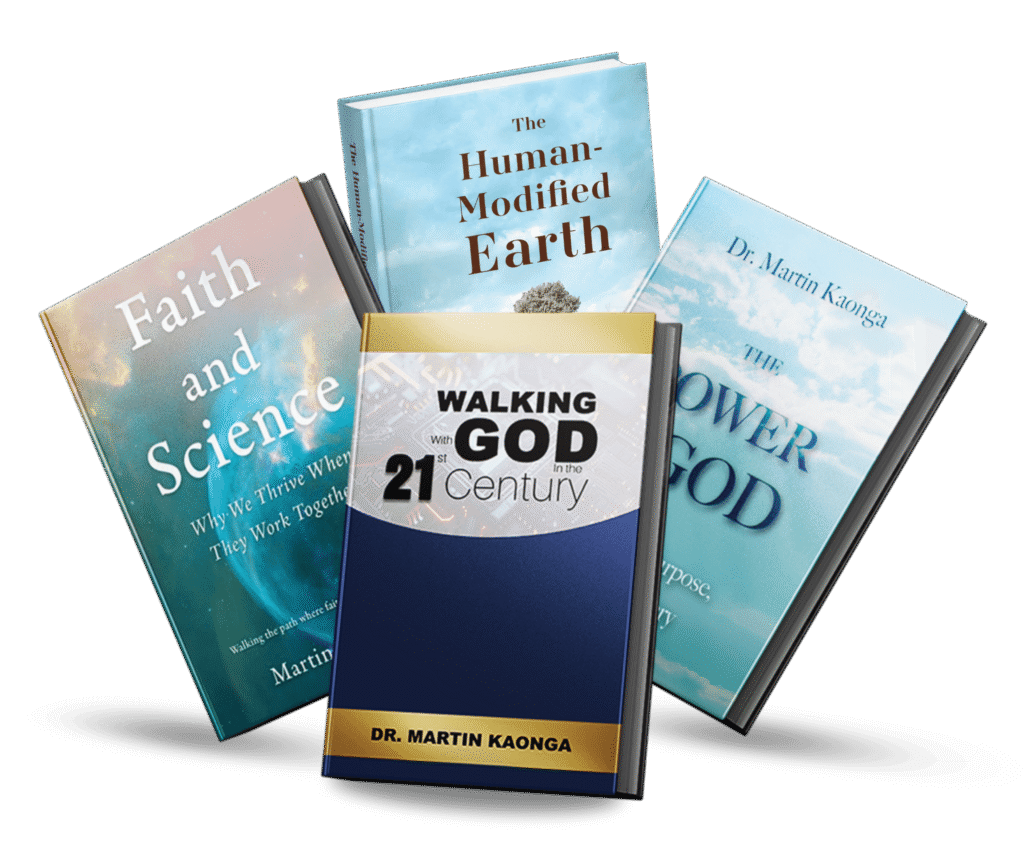
Books That Inspire
Faith, Wisdom & Purpose
Explore Dr Martin Kaonga's books, which bridge faith, science, and sustainability,
encouraging faithful living and equipping readers to steward God's creation with
wisdom and purpose.
The impetus behind my writing is grounded in the conviction that knowledge has little value unless it is shared and used to enrich the lives of others. Every book I write is an opportunity to pass on insights, inspire thoughtful action, and encourage people to live with greater faith, wisdom, and purpose.
The impetus behind writing and publishing books and articles is my deep conviction that knowledge should be shared with those who need it to solve problems, make wiser decisions, and improve their lives. As Richard Stallman observed, “Sharing knowledge is the most fundamental act of friendship, because it is a way of giving something without losing something.” I believe this captures an important truth. Sharing knowledge is not merely an intellectual exercise; it is a fundamental principle of human flourishing that strengthens our shared humanity. It shapes who we are, influences what we do, and contributes to who we become.
Indeed, every aspect of the created order depends on some form of knowledge transfer. Parents teach their children, teachers educate their students, mentors guide those they lead, and communities pass on wisdom from one generation to the next. We cannot thrive in a knowledge-deficient environment or a vacuum of understanding. While everyone shares knowledge in some way, the methods vary according to our gifts, experiences, opportunities, and calling.
Scripture demonstrates that knowledge sharing is central to God’s purposes. God has revealed Himself and His wisdom through both His written Word and His created world. The Bible records many ways in which God communicates knowledge to humanity. For example, He inscribed the Ten Commandments on two stone tablets and gave them to Moses on Mount Sinai. Throughout history, God has continued to reveal His truth through the Scriptures, the teaching ministry of the Church, and the testimony of creation itself. He has also endowed every person with the capacity to learn, teach, and pass on knowledge for the benefit of others.
Many thinkers have recognised the importance of sharing knowledge. Chris Grabenstein wrote, “Knowledge not shared remains unknown.” Chris Hardwick observed, “Knowledge is useless unless it’s shared.” Bill Gates has emphasised that “Power comes not from knowledge kept but from knowledge shared.” Mark Twain similarly reminded us that “Knowledge becomes wisdom only when it has been put to use.” Although expressed from different perspectives, these quotations point to a common principle: knowledge fulfils its purpose only when it benefits others.
I believe God has called me to teach His Word and has graciously provided many opportunities to acquire knowledge through formal study, research, ministry, and practical experience. This calling carries a profound responsibility. Jesus taught, “From everyone who has been given much, much will be demanded” (Luke 12:48). I therefore see writing as both a privilege and a stewardship. My aim is not simply to inform but to serve, to produce books and articles that deepen faith, cultivate wisdom, encourage thoughtful engagement with contemporary issues, and equip readers to live lives that honour God and bless others.
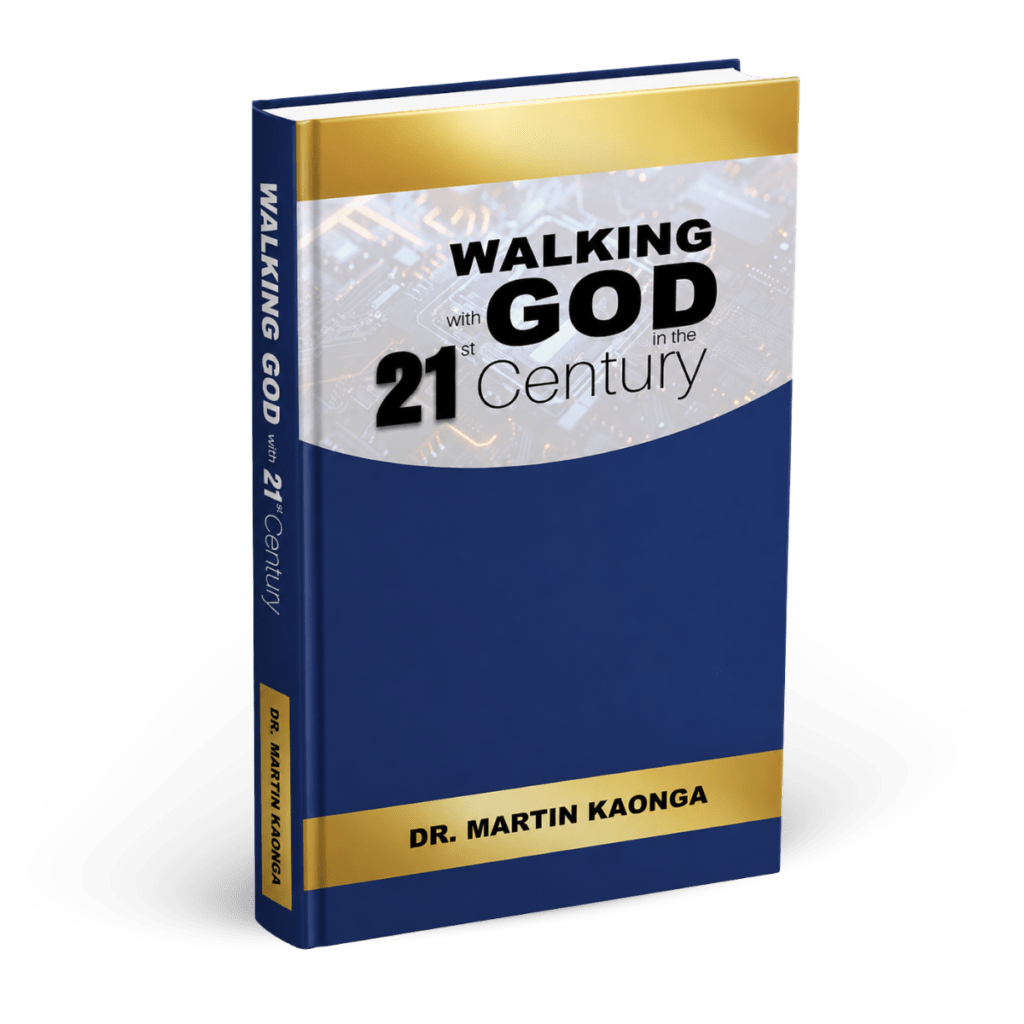
Walking with God in the 21st Century
The 21st century Christians are facing serious unprecedented challenges of dechristianisation of vital institutions in our society, persecution, and outlawing of Christianity in some societies, among others. Is walking with God a realistic expectation or a mere illusion?
Twenty-first-century Christians face unprecedented challenges, including the de- Christianisation of society, the spread of anti-Christian beliefs, persecution, false teaching, moral decline, and growing hostility towards biblical faith, often amplified by science, technology, and the media. In some countries, owning a Bible or sharing the gospel can result in imprisonment or even death. Against this backdrop, an important question arises: Is walking with God in the twenty-first century a realistic expectation or merely an illusion? This book equips church leaders, theology students, and Christians to understand what it means to walk faithfully with God in an increasingly hostile world. It demonstrates that, despite these challenges, God still calls His people to live in close fellowship with Him through faith, obedience, and His sustaining grace.
Buy The Book
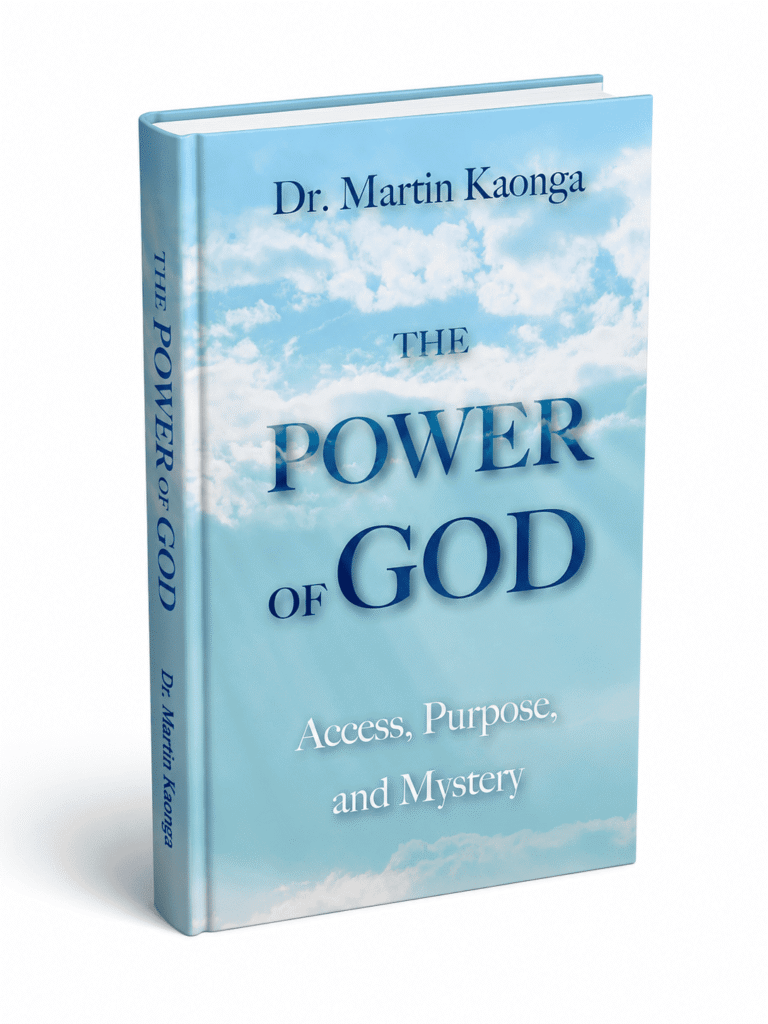
The Power of God: Access, Purpose, and Mystery
The Power of God: Access, Purpose, and Mystery explores humanity’s search for meaning and invites readers to rediscover their true purpose through God’s transformative power, leading to renewed faith and a life aligned with His calling.
At some point, we all ask: Why am I here? Beneath the demands of daily life lies a deeper longing for meaning, direction, and purpose. Yet many people struggle to discover the life God created them to live.
The Power of God: Access, Purpose and Mystery invites readers to rediscover the
true source of power – not human effort, but God’s presence and promises. It explores how God’s power equips ordinary believers to live with purpose, overcome life’s challenges, and fulfil their divine calling.
Whether you feel discouraged, spiritually weary, or hungry for a deeper walk with God, this book offers hope and encouragement. It reminds us that God’s power is not reserved for a select few but is available to everyone who trusts and follows Him. My prayer is that these pages will strengthen your faith, renew your hope, and inspire you to live the purposeful life God has prepared for you.
Buy The Book
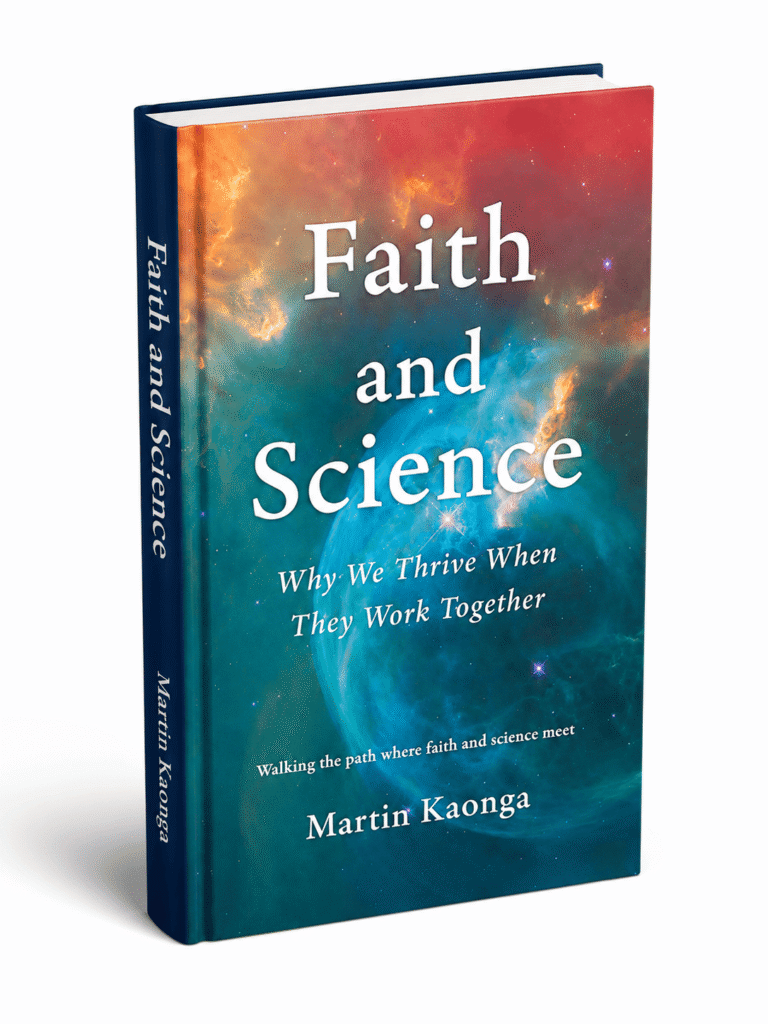
Faith and Science: Why We Thrive When They Work Together
Faith and Science: Why We Thrive When They Work Together explores the relationship between Christian faith and scientific discovery in a world where they are often portrayed as being in conflict. It demonstrates that, rather than competing, faith and science are complementary ways of understanding reality that work together in the search for truth.
Faith and Science: Why We Thrive When They Work Together explores the relationship between scientific discovery and Christian faith in a world where the two are often portrayed as being in conflict. Many believers feel pressured to choose between scientific knowledge and biblical faith, yet this book argues that such a choice is unnecessary. Instead, faith and science are complementary ways of understanding reality that work together in the pursuit of truth, meaning, and human flourishing.
Drawing on Scripture, church history, and contemporary scientific insights, the book examines the major perspectives on the science–faith relationship – including conflict, independence, dialogue, and integration – and equips readers to navigate
common misconceptions with confidence and discernment.
Moving beyond theory, it explores how engaging thoughtfully with science can deepen faith, inform ethical decision-making, enrich Christian teaching and discipleship, and help believers respond wisely to the challenges of an increasingly complex world.
Written for students, pastors, educators, and all who are curious about the
relationship between faith and science, this book invites readers to see scientific discovery not as a threat to faith but as an opportunity to marvel at God’s creation and steward it with wisdom. By embracing both faith and science, Christians can cultivate a more integrated, informed, and faithful understanding of God, His world, and their calling within it.
Buy The Book
Launching
Soon
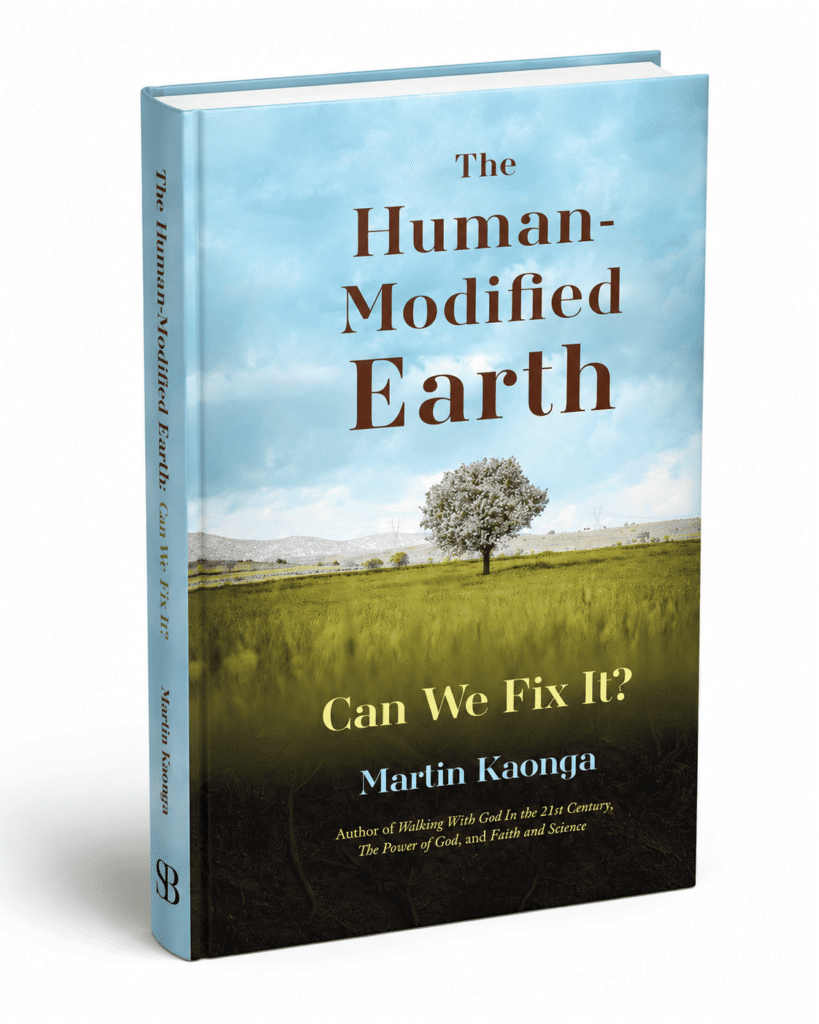
The Human-Modified Earth: Can We Fix It?
Explores how humanity's environmental crises are rooted not only in science and economics but also in our moral and spiritual values. Blending environmental science, ethics, and faith, Dr. Martin Kaonga argues that restoring the planet begins with renewing the human heart.
Humanity has transformed the Earth on an unprecedented scale, leaving a legacy of climate change, biodiversity loss, pollution, and resource depletion.
But what if the ecological crisis is not merely environmental?
In The Human-Modified Earth: Can We Fix It?, Dr. Martin Kaonga argues that these environmental challenges are not only technological and economic problems but also symptoms of a deeper moral and spiritual crisis. Our power to reshape the Earth has outgrown our commitment to stewardship and responsibility.
Combining environmental science, sustainability, ethics, and faith, this book challenges readers to address the values and behaviours driving ecological decline and offers hope that lasting restoration begins with both environmental and human renewal.
Buy The Book
Free Chapter + Exclusive Insights
Get a Free chapter from Walking God in the 21st Century and exclusive insights, updates, and resources.